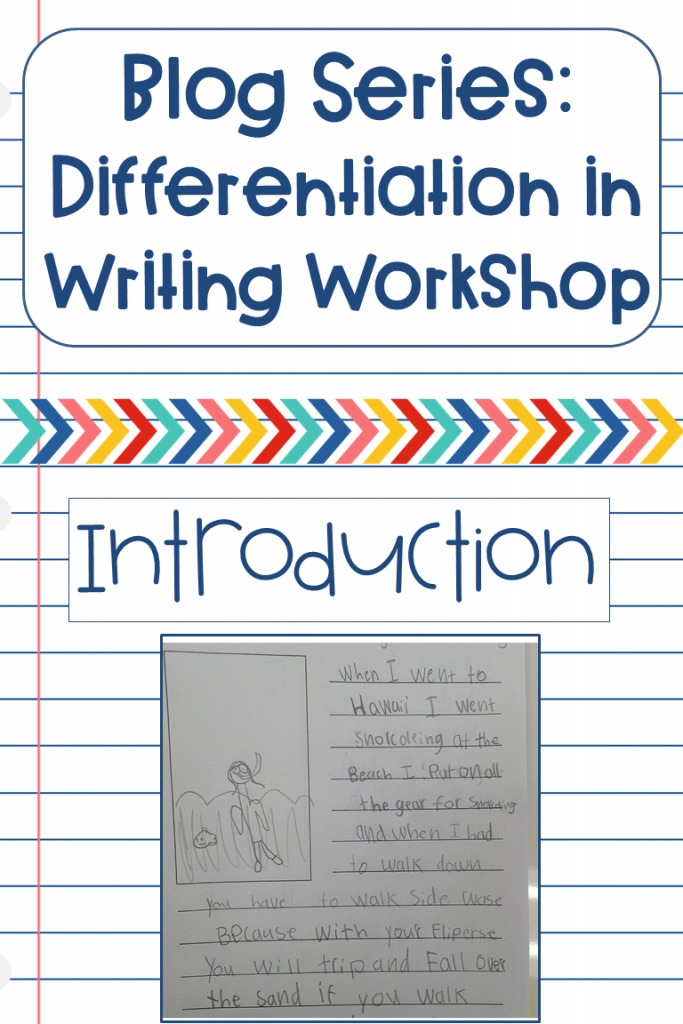
Writing Workshop is a wonderful way to teach writing in your classroom. My favorite part about it is the focus is on kids actually writing and the majority of the lesson is focused on that. I’ve written a number of blog posts about how I set up Writing Workshop and I wanted to share them with you in one place!
Writing Workshop Blog Posts
- Why Writing Workshop – This post explains some of the positive benefits of using the workshop model for writing in your classroom.
- Set-Up – Set-up is made easier with these ideas and tips! Includes a few different ways you could set-up the materials for writer’s workshop in your classroom.
- Format – The workshop has a very consistent format. Each workshop time includes: mini-lesson, time for kids to write, conferencing, and share.
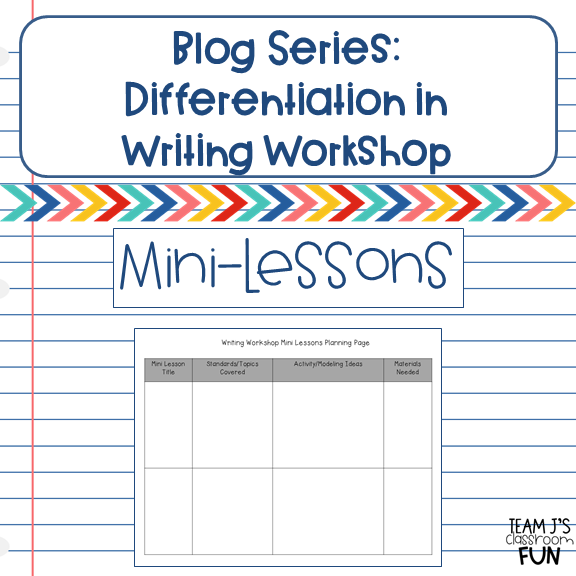
- Mini-Lessons – Ideas for different mini-lessons you could use during writer’s workshop. Also includes a FREE planning page.
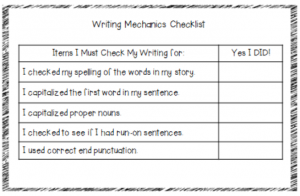
- Teaching Editing – Editing is easier for students with these ideas! Also see the FREE checklist for editing at the bottom of this post.
- Publishing – This is always my students favorite part of the process! They love publishing their pieces and sharing them with the class.
- Spotlight Bulletin Board – Check out this post to see how I spotlight student writing based on our specific mini-lesson skills.
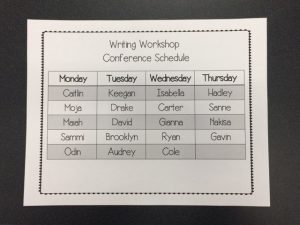
- Conference Schedule – Conferring with students is so much easier if you have a schedule to go by!
FREE Writing Checklists

To make your life easier I have a FREE set of writing checklists for your students to use! These are geared towards the primary grades and include 8 different checklists – so you’ll be able to differentiate based on what you’re teaching and your students’ needs. Grab your writing checklists HERE.

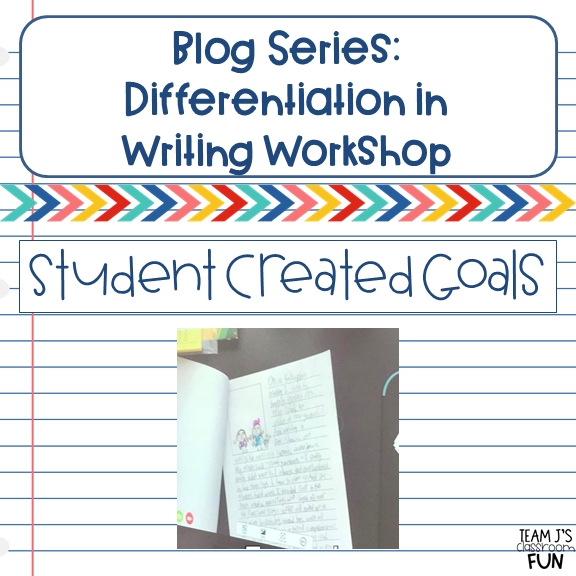
 Lucy Calkin’s Units of Studies has specific lessons geared towards students coming up with their own goals. There are checklists, mini-lesson ideas, etc. You can do this without Units of Study too. First, come up with a few areas that you have been focusing on. For example, sequencing, adding details, staying focused on a small moment, etc. Create a little checklist with those items on it. Students will then take the checklist and their writing piece and work with a partner. They can read the story to each other and go through the checklist marking areas that they are doing well with and areas they need to work on. From there have each child pick one area that they want to focus on as their current writing goal.
Thank you so much for checking out my Differentiation in Writing Workshop blog series! See below to catch up on past posts.
If you missed my past tips from the Differentiation in Writing Workshop series, click below…

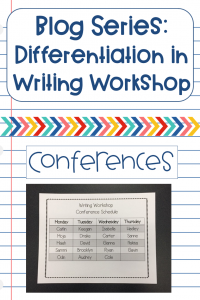 Conferencing is one of the easier times to differentiate Writing Workshop. I have a schedule I use (see below) and call students back on their particular day. They bring the piece they are working on or one we looked at the last time we met and we look over it together. This is a great chance to talk about student specific goals, see what goal the child wants to have, and talk about the positives you see in them as a writer. These opportunities also show me areas where they can grow as writer, which often leads to us creating new goals.
 Do you conference with students during writing? If so, share your thoughts on it down in the comments.
Check back tomorrow for the final installment where I share about students creating their own goals to help differentiate Writing Workshop.
If you missed my past tips from the Differentiation in Writing Workshop series, click below…



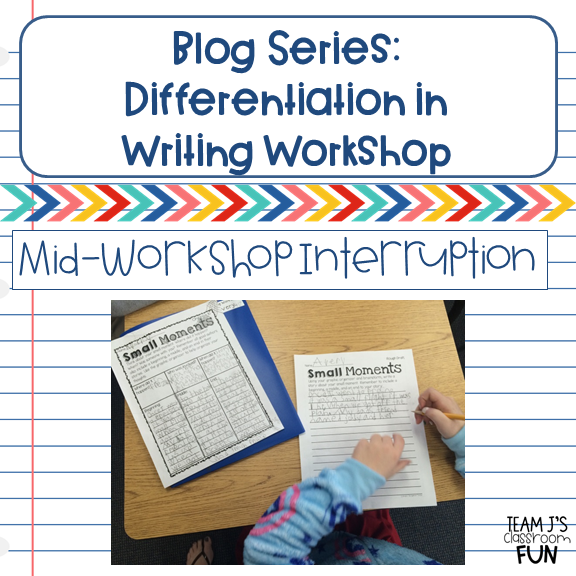


 If you use Lucy Calkin’s Units of Study, she has pre-test ideas in the Writing Pathways book. She calls them On-Demand Performance Assessments. If you don’t have the Units of Study, you can still have your students complete a writing sample/pre-test. At the beginning of the year, I have my students write about themselves on the page below.
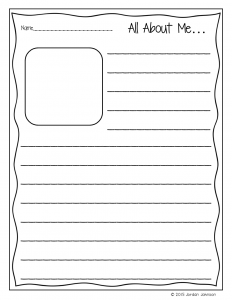 From this writing sample, I can learn a lot about each student. For example…