
Teachers often hear the words progress monitoring and immediately groan.
We know it matters, but it can feel like one more thing to add to an already full plate—and it’s not always as straightforward as it sounds.
But while progress monitoring does take consistency, it’s one of the most valuable tools for understanding whether interventions are actually helping students grow.
If progress monitoring has ever felt overwhelming—or if you’re just looking for a simple overview—this guide is for you.
What Is Progress Monitoring?
Think of progress monitoring as your teacher GPS.

It helps guide instruction by showing whether students are making progress and whether your interventions are working—or need to be adjusted.
Progress monitoring should be completed consistently, typically at least once per week (and sometimes twice weekly depending on the skill).
The key is that progress monitoring should directly match the intervention.
For example:
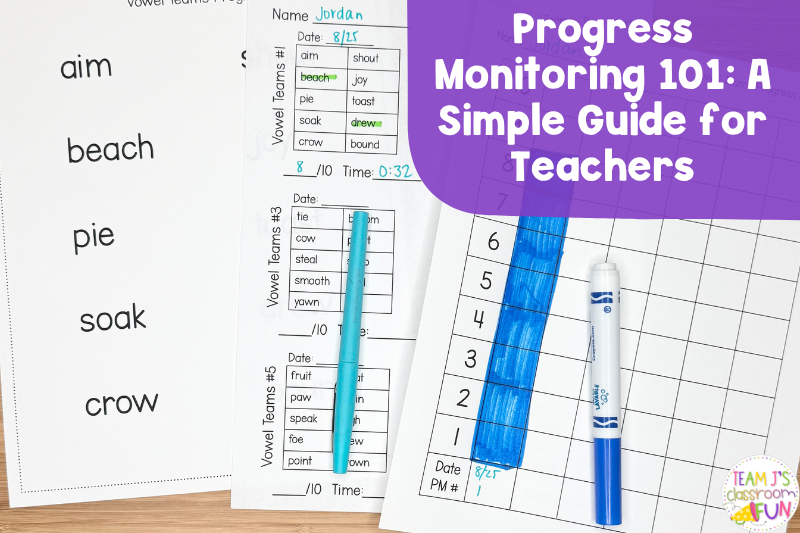
- If a student is receiving intervention for decoding words with digraphs, monitor digraph decoding.
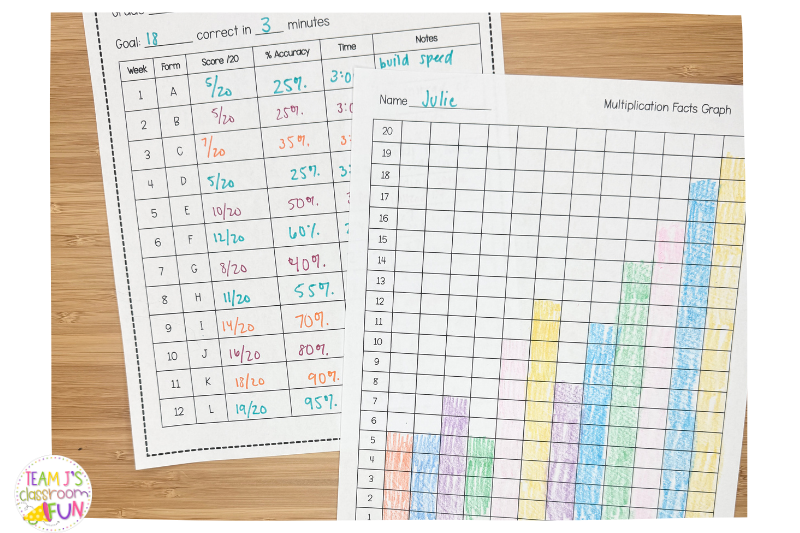
- If a student is practicing multiplication facts, monitor multiplication facts.
Consistency matters, too. Keep the format of the assessment the same so the data reflects growth in the skill, not changes in the assessment itself.
Why Does Progress Monitoring Feel Overwhelming?
If teachers know progress monitoring is important, why does it feel so hard?
One reason is that there can simply be too much data.
When we collect endless data points, it becomes difficult to analyze what’s actually happening and decide whether instruction is working.
Sometimes progress monitoring tools are also overly complicated, making it harder to quickly identify student needs.
And often, the biggest challenge isn’t collecting the data—it’s knowing what to do with it afterward.
You have the numbers… now what?
3 Ways to Make Progress Monitoring Less Overwhelming
1. Keep your system simple
Use assessments and tracking tools that are easy to administer and easy to analyze.
2. Build consistent routines
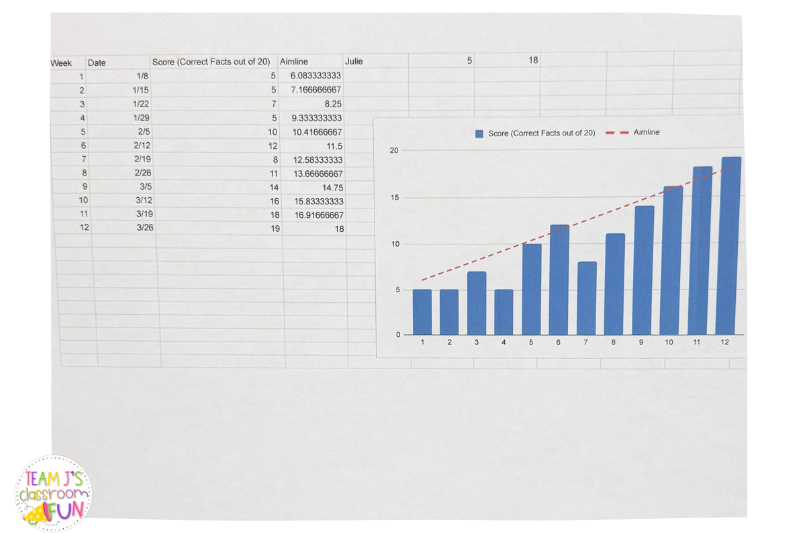
Collect data weekly so you always have an updated picture of student growth.
3. Plan for instructional next steps
Before collecting data, decide how you’ll respond to different outcomes so the data leads to action.
Why I Use Skill-Based Progress Monitoring
One of the systems that has made tracking student progress easier in my classroom is skill-based progress monitoring.
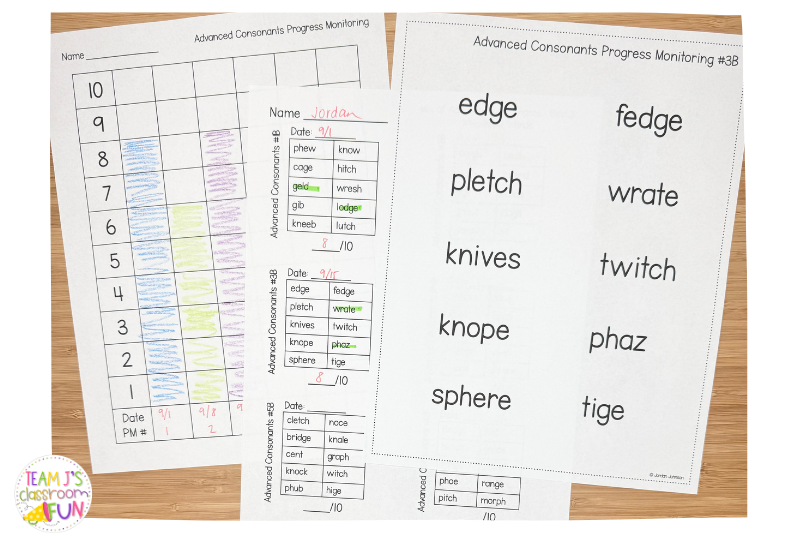
Skill-based monitoring focuses on one targeted skill at a time and aligns directly with the intervention students are receiving.
For example, if students are working on 2-digit addition with regrouping, both instruction and progress monitoring focus on that exact skill.
Other examples include:
- Specific phonics patterns
- High-frequency words
- Reading fluency
- Multiplication facts
- Addition and subtraction facts
- Place value
- Elapsed time
This approach makes it easier to:
✔️ Group students based on similar errors or misconceptions
✔️ Identify what instruction students actually need
✔️ Track growth over time
✔️ Decide when students need more support—or are ready to move on
Because the data is targeted, it becomes easier to answer an important question:
Is the student making progress, staying flat, or needing additional support?

What Should You Do With the Data?
The goal of progress monitoring isn’t collecting data—it’s using it to make instructional decisions.
The data should help answer:
- Is this intervention working?
- Does this student need additional support?
- Should I increase frequency?
- Does my strategy need to change?
Avoid making quick changes after one difficult week.
Instead, look for patterns over time.
If a student shows limited growth across 3–4 weeks of consistent data, that may signal a need to adjust instruction, increase intervention time, or try a different approach.
On the other hand, progress monitoring can also show when students have made enough growth to exit an intervention and move to a new goal.
Grab FREE Progress Monitoring Samples
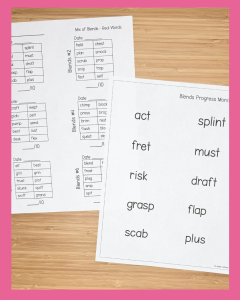
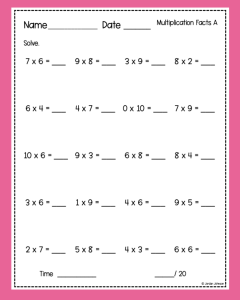
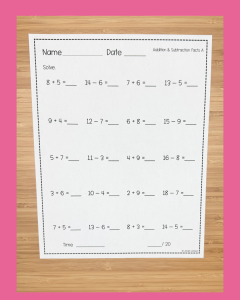
Want to try progress monitoring with your students?
Choose the free sample that fits your current needs:
→ Consonant Blends Progress Monitoring FREEBIE
→ Addition & Subtraction Facts Within 20 FREEBIE
→ Multiplication Facts FREEBIE
Looking for more support?
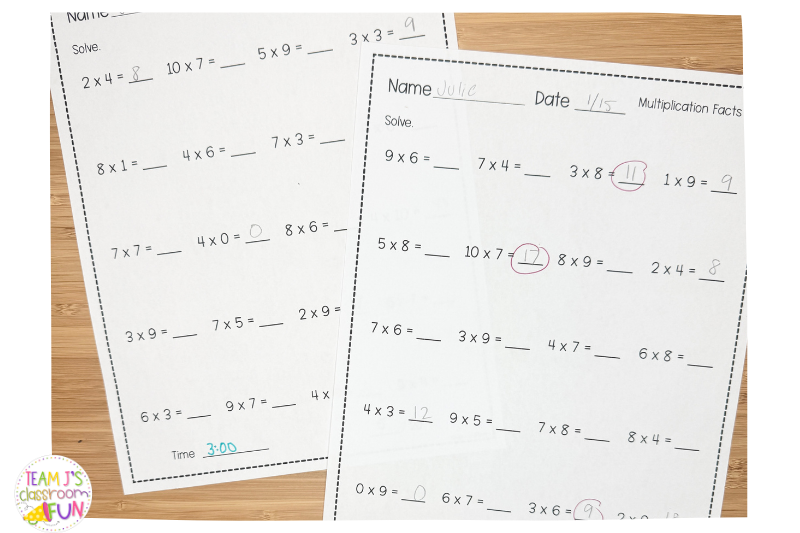
→ Phonics Progress Monitoring Mega Bundle
→ Phonics Progress Monitoring Real Word Bundle
→ Full Multiplication Facts Progress Monitoring Collection
→ Full Addition and Subtraction Facts within 20 Progress Monitoring Collection
More Info on Progress Monitoring and Intervention
- How To Track Reading Intervention Success with Simple Progress Monitoring
- How To Simplify Reading Intervention Groups without Losing Rigor

No Comments