Browsing Tag

math games

3 Math Fact Games Your Students Will Love

Math
Blog header for 3 math fact games

The phrase ‘math fact practice’ often elicits groans from students. However, while practicing math facts is crucial for mathematical success, it doesn’t have to be a dreaded chore. In this blog post, I’ll share some engaging math fact games that make learning fun and interactive.

Fact fluency is an important standard in first, second, and third grade. Math facts set-up a strong foundation for higher level math skills, increases confidence, and improves math problem solving skills.

Why Fact Practice Is Important

Math fact fluency provides a strong foundation for understanding more complex mathematical concepts. When students can quickly recall basic facts (addition, subtraction, multiplication, division), they can focus their cognitive energy on problem-solving strategies, critical thinking, and applying those concepts to real-world situations. Without fluency, students may get bogged down in simple calculations, hindering their progress in algebra, geometry, and other advanced math topics.

Here are three math fact games that students can play to help them practice. These games are engaging and can be played collaboratively with a partner or group in the classroom. These math fact games can be differentiated and focus on different math skills, for example – addition, subtraction, multiplication, or division.

Math Fact Game #1 – Fact Jenga

Photo of jenga blocks for math fact games

Jenga can be a fun way to incorporate academics into playtime. This versatile game can be adapted for various subjects, including mathematics. By writing addition, subtraction, multiplication, or division facts on the Jenga blocks, you can turn a classic game into an engaging educational activity.

Creating Math Fact Jenga:

  • Materials: Jenga pieces (available at Target, Dollar Tree, etc.) and a Sharpie.
  • Instructions:
    • Select a math skill focus (e.g., addition, subtraction).
    • Write a math fact on each Jenga block.

Playing Math Fact Jenga:

  • Setup: Build a Jenga tower as usual.
  • Gameplay: Players take turns:
    • Remove one block from the tower.
    • Solve the math fact on the block.
    • If correct, place the block on top of the tower.
  • Game Over: The game ends when the tower falls.

Math Fact Game #2 – Kaboom

Photo of the game Kaboom with popsicle sticks

Kaboom is a versatile game that can be adapted to reinforce various academic skills. In my classroom, I incorporate Kaboom into our math rotations. Students practice math facts by drawing Kaboom sticks with addition, subtraction, multiplication, or division problems. To differentiate instruction, I can provide different sets of Kaboom sticks to each group based on their current learning objectives.”

Creating Kaboom Math Fact Sticks:

  • Materials: 20 popsicle sticks, colored markers, a Sharpie, and a cup.
  • Instructions:
    • Color one end of each popsicle stick to indicate the correct orientation.
    • Write “KABOOM!” on 5 sticks.
    • Write math facts (e.g., addition, subtraction) on the remaining 15 sticks.

Playing Kaboom Math Facts:

  • Setup: Place all 20 sticks in the cup with the colored ends facing up.
  • Gameplay: Players take turns drawing a stick.
    • If they draw a math fact stick, they solve the problem. If correct, they keep the stick.
    • If they draw a “KABOOM!” stick, they return all their collected sticks to the cup.
  • Winning: The player with the most sticks at the end of the game wins.

Math Fact Game #3 – Memory

Photo of memory game

Memory is a classic game that can be effectively used to reinforce math fact fluency. To differentiate instruction, I create sets of Memory cards with varying levels of difficulty based on students’ needs and grade level. For example, some sets might focus on addition within 10, while others address addition within 20. This flexibility allows me to customize the game to target specific learning objectives and provide individualized practice for each student.

Creating Math Fact Memory Cards:

  • Materials: Use index cards, cardstock, or purchase pre-made sets from my TPT store.
  • Instructions: Write the math fact on one card and the answer on another. Create 10 pairs of cards. For better visibility, use dark paper or a light-colored writing utensil.

Playing Math Fact Memory:

  • Setup: Arrange the cards face down in rows.
  • Gameplay: Players take turns flipping two cards over. If they match (fact and answer), they keep the pair. Otherwise, they flip the cards back over.
  • Winning: The player with the most matches at the end of the game wins.

In my experience, using games like these has made a significant difference in my students’ attitudes towards math. They’re more eager to practice, and I’ve seen a noticeable improvement in their math fact fluency. I encourage you to give these games a try in your classroom and see the positive impact they can have on your students!

For more info…

8 Ideas for Teaching Place Value

Math, Math Stations
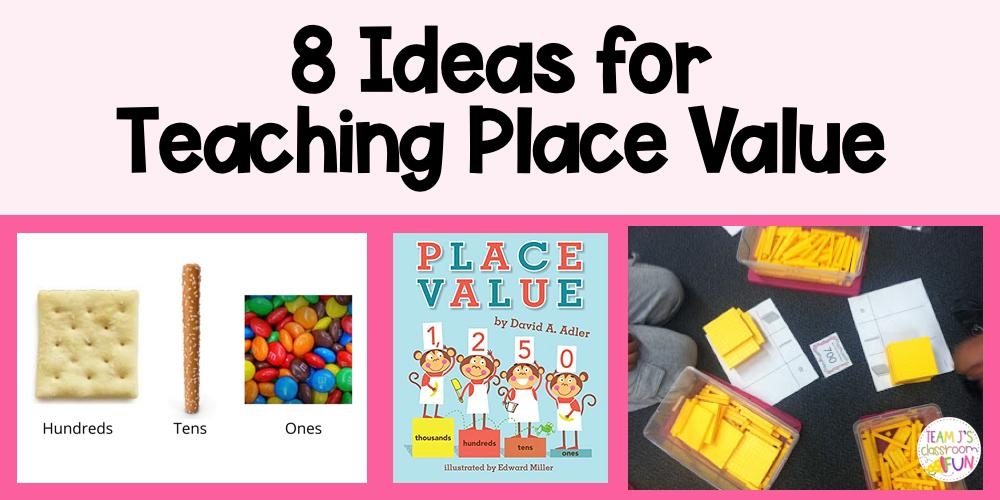
Blog header for 8 Ideas for Teaching Place Value

This post may contain affiliate links for your convenience.

Place value is an important foundation skill for all students to master. It sets them up for success as they continue their journey through mathematics. After reading this post, you’ll have 8 ideas for teaching place value.

#1 – Place Value Books

I love using books to introduce new math topics! Here are a few of my favorites books to use when teaching place value.

Place Value by David A. Adler

Picture of Place Value book cover. Monkeys holding numbers above their head.

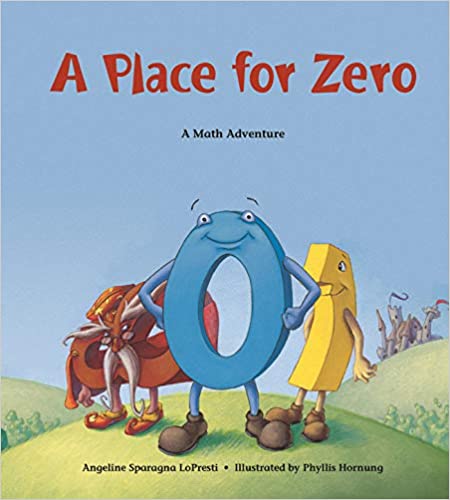
A Place for Zero by Angeline Sparagna LoPresti

Picture of book cover for A Place for Zero.

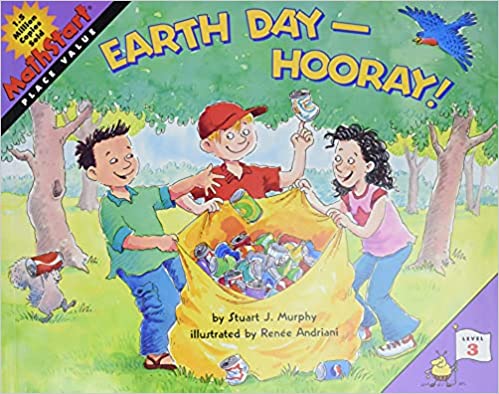
Earth Day – Hooray by Stuart Murphy

Picture of book cover for Earth Day Hooray

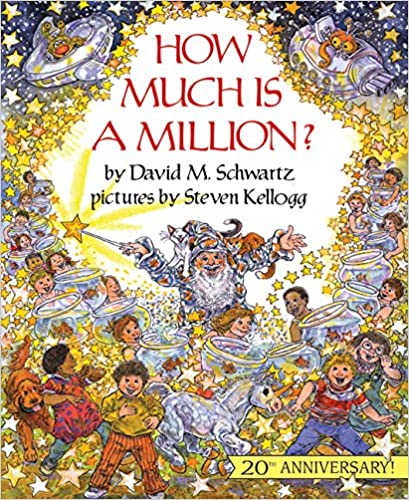
How Much is a Million by David M. Schwartz

Picture of book cover for How Much is a Million

#2 – Manipulatives

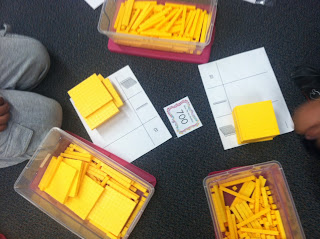
Manipulatives are so important for students to use when building math skills. Place value is no exception! I always have base-10 blocks on hand for my students to use when we are working on place value and other math skills. The blocks are very popular and some people also like using the place value discs to model different numbers.

Picture of base 10 blocks

#3 – Shorthand Base-10 Trick

In addition to using manipulatives, I like to have my students draw out their base-10 or place value model for numbers.  But, I don’t like them to spend hours trying to draw the ones, tens, hundreds, etc. Many of them like to try to draw each teeny tiny square within the hundreds block – we don’t have time for that lol.  So below in the picture you’ll see the short hand I teach them. This is much more efficient. Students draw a dot for ones, a stick for tens, a square for hundreds, and a square with a “th” in the middle for thousands.

Photo of short hand for place value blocks.

#4 – Food

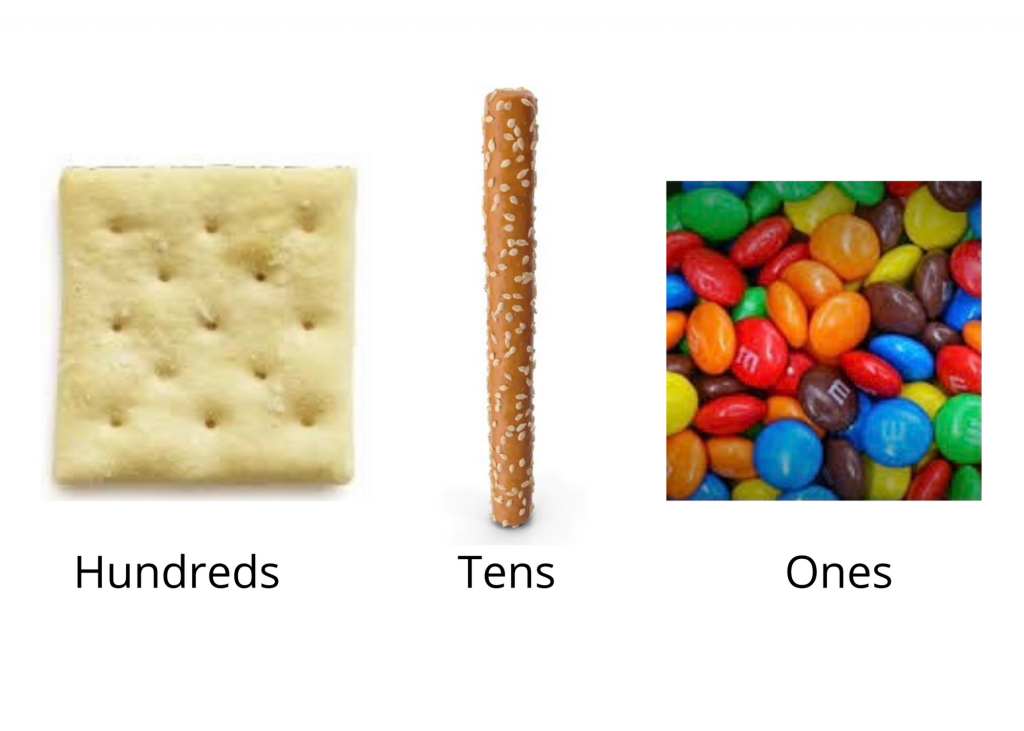
Who doesn’t love food? We all know students are more engaged when food is involved. Base-10 blocks and drawings are great, but you can also incorporate food into the mix.  Students can represent numbers using Saltine crackers for the hundreds, pretzel sticks for the tens, and M&Ms or some kind of round candy for the ones.  And of course when they are done they can have a taste of their work!

Picture of saltine cracker, pretzel stick, and M&Ms.

#5 – Teaching Place Value Anchor Charts

I use anchor charts for all math topics including place value.  I like to create my anchor charts with my students so they are more engaged and part of the creation process which makes them more likely to refer back to it later.  After we create our charts, I hang them where they can see them so they can refer back to them as needed. Here are a few examples of ones I’ve created…

#6 – Differentiate Practice and Homework + FREEBIE

Students will need opportunities to practice and demonstrate their understanding of place value. I like to use these differentiated worksheets for independent practice, homework, and formative assessments!  My classes typically have multiple levels of students and these worksheets are differentiated into 3 levels so I can meet the needs of all of my students!  These worksheets are available in my TPT store>>> HERE.

Picture of place value worksheets.

You can also check out a FREE sample >>> HERE.

Picture of place value worksheets FREEBIE.

#7 – Place Value Activities + FREE Game

I love using a variety of place value activities during my math rotations or stations.  These activities are still focused on the standards, but provide opportunities for kids to move around and work with a partner.  

Here are a few options:

Great for Around the Room or Scoot – 

Expand It – Practice using expanded notation

Write It – Practice writing numbers in standard form from word form

Place Value Around the Room Task Cards – great review of a variety of place value skills

Partner Opportunities:

Read It – Students can practice reading the numbers to each other – this could also be done chorally whole group

Show Me the  Number – This activity is great for kids to use the base-10 blocks to build the numbers.  2- and 3-Digit Numbers

3- and 4-Digit Numbers

Picture of Reading Numbers Activity

FREE GAME:

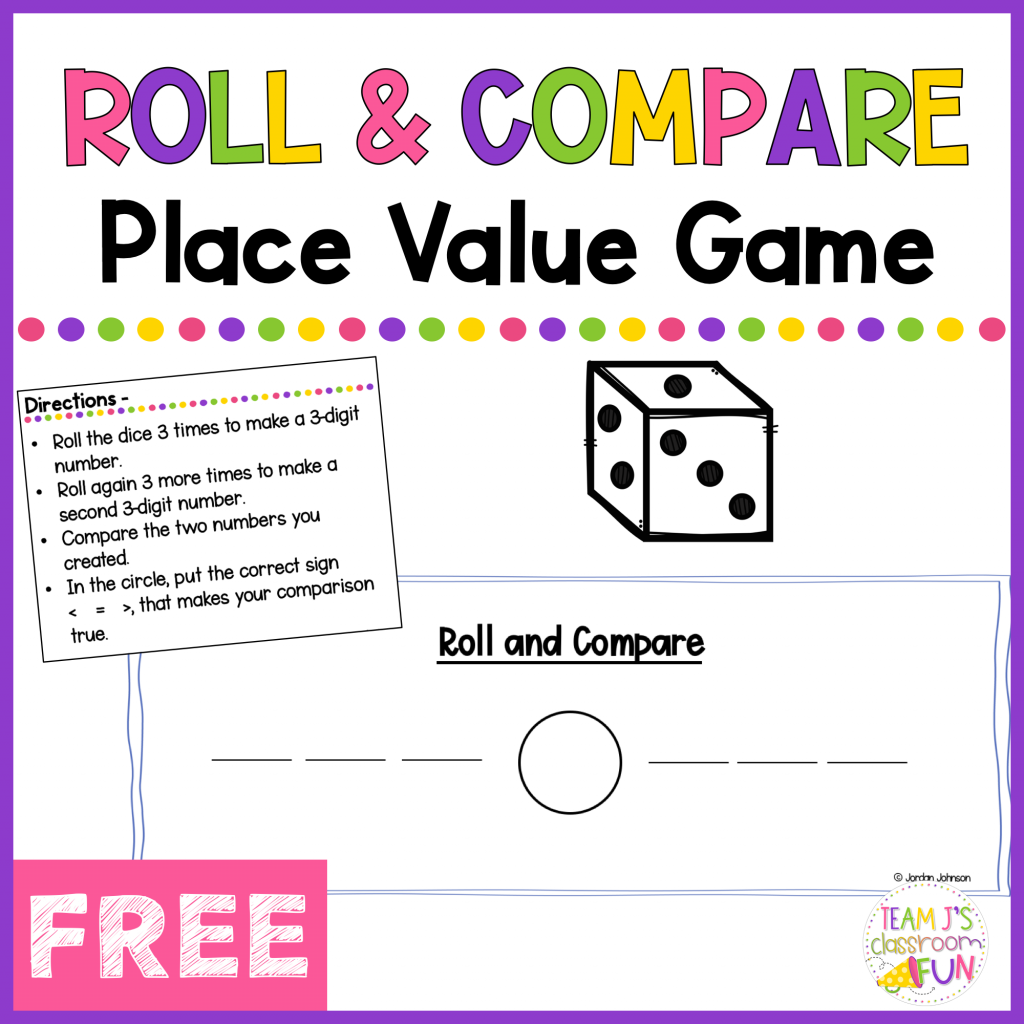
Roll and Compare – Students can practice comparing 2-, 3-, or 4-digit numbers using comparison symbols. This game is great to play during rotations or stations.

Picture of comparing game.

You could also save 20% by grabbing all of the Place Value Activities in my Place Value Bundle.

#8 – Digit Place

This is one of my favorite games to play with my students when I am teaching place value. This game can be played whole group – it’s great for a math warm-up or a Morning Meeting Activity and could eventually be played with partners once students get the hang of it.  

Here’s how you play:

  1. You make 3 columns on the white board – Guess | Digits | Place
  2. I also put up numbers 0-9 so we can cross off numbers after we eliminate them – there is a lot of strategy in this game too.
  3. You think of a secret number that the kids will have to figure out – this can be 2-digit, 3-digit, 4-digit, etc – depending on your class’s needs.
  4. Your students will guess a number. *Let’s say my secret number is 352.  They guess 201.  I will then write their guess in the guess column and write a 1 in the digits and a 0 in the place because they got one of the digits correct (2), but that digit was not in the correct place.
  5. We keep going until we get to the correct number

*This game has some strategy to it too.  I will often have students figure out if the guess all of one number it can help us quickly figure out what the 3 digits are. For example, if they guess 999 and I say 0 numbers are correct – then we know 9 isn’t one of the numbers.

Photo of Digit Place Game for Teaching Place Value Ideas
Pin image for 8 Ideas for Teaching Place Value