Browsing Tag

comprehension skills

The Best Books for Teaching About Character Traits

Reading
Header for blog about character trait books. Includes picture of a double bubble map and the book cover for Strega Nona.

Character traits are the personality or qualities that make a character in a story unique or interesting. Being able to identify these traits is a common reading comprehension skill. This skill helps readers understand the characters, which in turn helps them understand the story. Check out five of my favorite books to use to focus on character traits along with a few ideas for independent practice.

This contains affiliate links for your convenience.

No, David

Cover of picture book No, David

I love using No, David to first start talking about character traits especially in younger grades. There isn’t a ton of text so the students don’t get bogged down in a lot of details. Even with less text, the pictures provide plenty of opportunities to get a sneak peek into how David is as a character. Students will often come up with traits like silly, naughty, sweet, and more to describe David. 

Alexander and the Terrible, Horrible, No Good, Very Bad Day
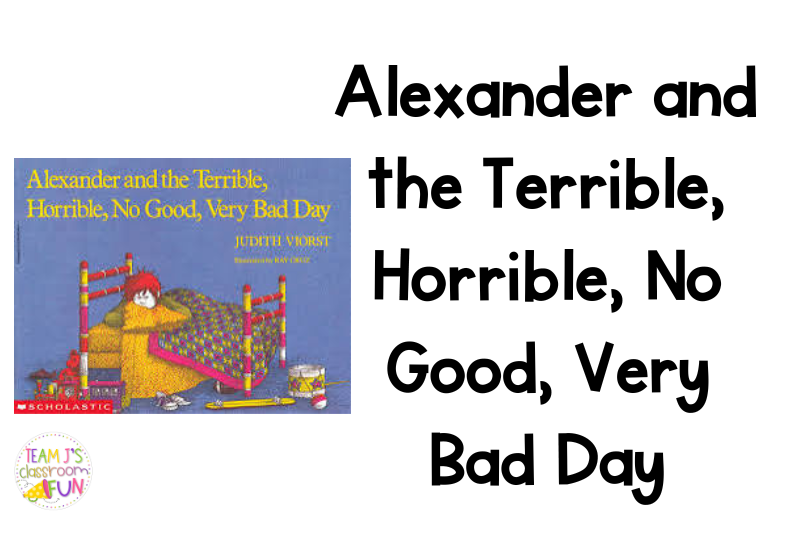
Cover of picture book Alexander and the Terrible, Horrible, No Good, Very Bad Day

This picture book is a staple in most classrooms. The main character, Alexander is facing a rough day which most kids can identify with (this book is also great for students making a text to self connection). Kids will often identify feelings for Alexander along with the character traits – jealous, loud, active, and mischievous.

Julius, The Baby of the World

Cover of picture book Julius - The Baby of the World

I love using this book to discuss character traits because the main character Lilly’s feelings and traits change throughout the book. At the beginning of the story, she’s excited for her new sibling (Julius) to arrive. Once he arrives and his parents dote on him, Lilly is not a fan. She is angry and jealous and becomes quite mischievous. Then, when a cousin treats him that same way, Lilly changes her tune. She and Julius then become buddies and she shows her more compassionate, loving side.

Lilly’s Purple Plastic Purse

Cover of picture book Lilly's Purple Plastic Purse

When I use this Kevin Henkes’ story in class, I like to focus on Lilly and Mr. Slinger. Lilly (like in Julius, The Baby of the World) changes her feelings throughout the book. Mr. Slinger is the confident, smart, and funny teacher. Lilly starts off being a good listener, kind, and excited about school. She then gets upset with her teacher and her mean side comes out. By the end of the story, she sees the error in her ways and shows the teacher her kind side again.

Strega Nona
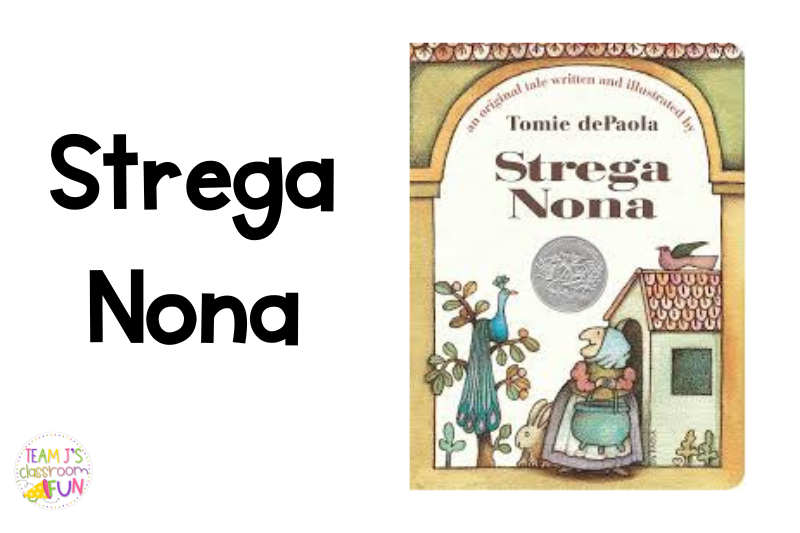
Cover of picture book Strega Nona

This is another great story to use when focusing on character traits of two different characters. Strega Nona is a witch who helps people. She uses this magic pasta pot to do her magic. She has asked people not to touch the pasta pot. Big Anthony comes to be a worker for Strega Nona and he doesn’t listen. He decides he wants to use the pasta pot, but it backfires. This is a great story to focus on both characters and to also compare and contrast two characters.

Independent Practice with Character Traits – Bubble Map

Picture of Bubble Map to show character traits

I love using Bubble Maps from Thinking Maps for displaying character traits. In the middle bubble, students put the character name and then in bubbles around it they put the traits that describe the character. It’s an easy visual way to see how that character can be described.

Independent Practice with Character Traits – Double Bubble Map

Double Bubble Map used to compare and contrast character traits

A Double Bubble Map is a great Thinking Map option for comparing characters. This map is like a venn diagram and students will put the characters on opposite sides. Traits that these characters have in common will go in the middle and traits that are different will go on their specific side. This is a great way to visually see what the characters have in common and what is different.

For more book suggestions, check out these blog posts…

Strategies for Running a Successful Book Study

Book Clubs, Books, Reading
Picture of 2 chapter books that could be used for a book study
Blog header for Strategies for Running a Successful Book Study

Using a book study in the classroom is a great way for students to practice fluency, build comprehension skills, learn how to write a response, and more.  I often use book studies with my second graders in the classroom and have also used them with first and third grade.

Book studies have many benefits including:

  • Improving reading comprehension
  • Providing opportunities for collaboration and independence
  • Giving students a chance to practice written response
  • Fun and engaging books to get students excited about reading

The first time you launch a novel study it can seem a little overwhelming.  I felt the same way too when I had my students work on their first book club.  But, it doesn’t have to be that way.  In today’s blog post, I’m going to share with you some ideas and things to think about to make it easy to launch your first book study in your elementary classroom.

Choosing the Right Book

Photos of chapter books - Surprises According to Humphrey and Cam Jansen

I take a number of things into account when choosing a book for a book study. First, I look at reading ability. I want to make sure the book I pick is just right. I don’t want it to be so challenging that they don’t understand, but also not too easy.

Second thing I look at is students’ interests. I want to pair students with books that they will be interested in. This is important for engagement and for building lifelong readers. I want students to enjoy what they are reading so I try to put them with books that they’ll be interested in.  

I also try to have students use books that are a part of a series. I have found that if a student enjoys one book, they can easily become hooked and want to read the whole series. This again can help with student buy-in and engagement.

At times, I will also provide students a choice with their novel study. I’ll pick out two books that I think would work for the group and then let them choose which one they want to work on.

Planning and Organizing a Book Study

Photo of chapter books - Ivy and Bean and Jake Drake

When planning and setting up the book study, I like to decide on a start date and get the whole group on board. I tend to use my small group and/or reading time as a time for the group to meet. 

Depending on the group, you’ll need to decide how you want them to work on the book club. For my more independent readers, I will often meet with the group the first time they start reading, but also give them some freedom to work on their own. I will then check in with them after each chapter to discuss and go deeper with comprehension questions. 

Some groups will need more guidance. Some groups I plan to have only working with myself or a volunteer/instructional aide. This requires some thought as to when you’re going to fit it all in.

Management

Photo of 5 kids reading a book together

For novel studies, you want to have clear and high expectations for students. Being a part of a book study is fun, but it is also a privilege. Before starting the book study, make sure to go over your expectations for the book study time. This way students know what is expected of them. I also review the expectations before I send them off to work independently as a group.

Volunteers

Photo of 4 students reading a book together in a library setting

Parent volunteers or instructional aides can be a great asset during book studies. I will often have parent volunteers work with one of the book study groups. This can help them stay on task and provide support if they need help reading or understanding.

Book Study FREEBIE

Photo of FREE Book study discussion cards

Grab these FREE book study discussion cards, which can be used with most books.

Book Study Resources:

Photo of book study pages from Nate the Great

If you are interested in book studies that are already created for you, check out my book study resources in my TPT store.

Favorite Book Study Books:

Photo of 5 chapter books used for successful book studies

This contains affiliate links for your convenience.

For more info…

Benefits of Using Book Studies in the Classroom

How I Use Book Studies in My Classroom

The Best Books for Teaching Mental Images

Debbie Miller, Reading, Reading with Meaning

I love to use picture books for teaching mental images in my elementary classroom. Creating a mental image or visualizing is an important comprehension skill for all readers. We want students to be able to picture what’s happening or make a movie in their mind to help increase their understanding of what they are reading.  

I use mentor texts when I am teaching mental image skills. When we are working on visualizing – I do not show the illustrations to my students when I read the book. I often hide the cover of a book by putting it in a file folder and then don’t show the pictures as I’m reading. While I’m reading students are closing their eyes and creating their own images. I will often have them stop and sketch their image on a sticky note to see how it changes throughout the story.  

They do love to see the pictures so I will often re-read the story at a later time and let them see the illustrations. It’s fun for them to see if their mental images match with the book’s pictures.

Here is a list of 3 of my favorite books for teaching mental images…

This post may contain affiliate links for your convenience.

The Napping House

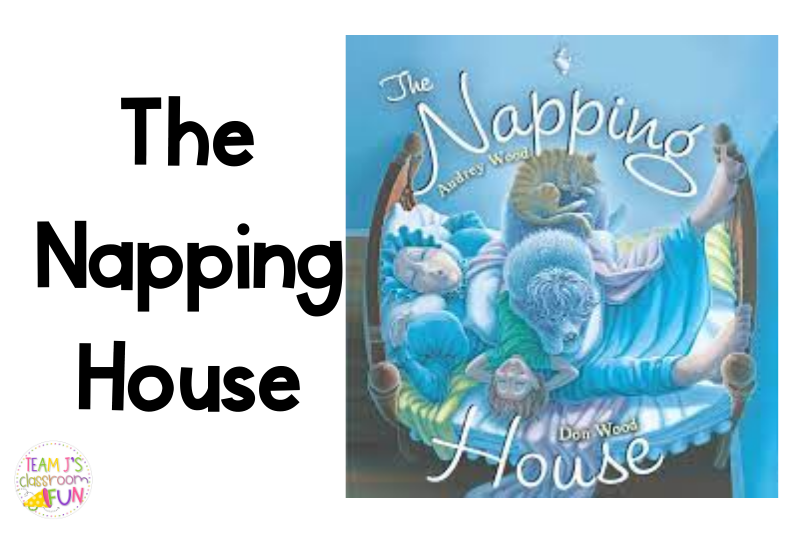
Photo of the cover of the book - The Napping House

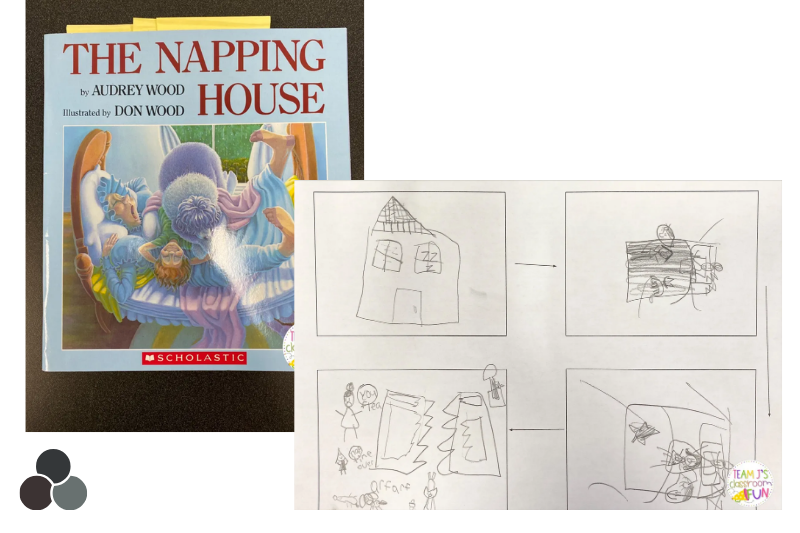
The Napping House by Audrey Wood is a one of the books for teaching mental images that I use when we start our visualizing unit.  This is a great book to use to stop at various points to have kids share or sketch their mental images because they will change throughout the book.

The book starts with a house where everyone is sleeping.  The granny is sleeping in her bed and as the story goes on a child joins her and then a dog and so on until the bed breaks at the end!

When I use this book for teaching mental images, I give students four sticky notes and then pick four points to stop in the book. I then send them to sketch their current image and at the end we do a gallery walk and see how their mental image has changed over time.

The Salamander Room

Photo of the cover of the book The Salamander Room for teaching mental images

The Salamander Room by Anne Mazer is another one of my favorite books for teaching mental images.  This book is also great to use and stop at various points for students to see how their image changes over time.

In The Salamander Room, a boy named Brian finds a salamander and decides to bring him home with him. Brian’s mom then inquires about where this salamander is going to sleep. Brian tells a very detailed description of all of the things he’ll bring into his room for the salamander – tree stumps for him to climb, wet leaves for him to play with, etc.  He then adds in other animals to keep the salamander company/feed him and his room turns into a forest oasis! 

I use this book like I do The Napping House. Students again will stop at a few specific points and sketch or share their mental image.  We then discuss how and why their mental image changes throughout the story and how it helps them understand the story.

Pigsty

Photo of cover of Mental Images book - Pigsty with photo of kid and 2 pigs.

Pigsty by Mark Teague is a hilarious and fun book to use for teaching mental images. When we read this book in class, we do come up with mental images throughout the book, but we aren’t sketching as we go. For this one, I ask students to come up with their most vivid mental image to record at the end.

In the story Pigsty, Wendell’s room is a big mess and his mother is after him to clean it. She told him it was turning into a “pigsty.” When Wendell went up to his room to clean, he found an actual pig on his bed. As the story continues, more pigs join and also help him create more of a mess.  Wendell then becomes upset when they start to ruin some of his things and decides it’s time to finally clean. The pigs helped him clean, but then decided they were on their way because his room was too clean for their liking. 

When I use this book for teaching mental images, I again do not show the pictures.  Students are coming up with their own visualizations.  At the very end, I ask students to draw their strongest, most vivid mental image and write a sentence describing it.  We then do a gallery walk so the students can see what mental image the other students picked.

MORE BOOK RECOMMENDATIONS

Picture Books for Making Connections

8 Favorite Writing Mentor Texts

Picture Books for Opinion Writing

Picture Books for Place Value